Alexa Lane - Christian Arts and Wellness
Content Creator
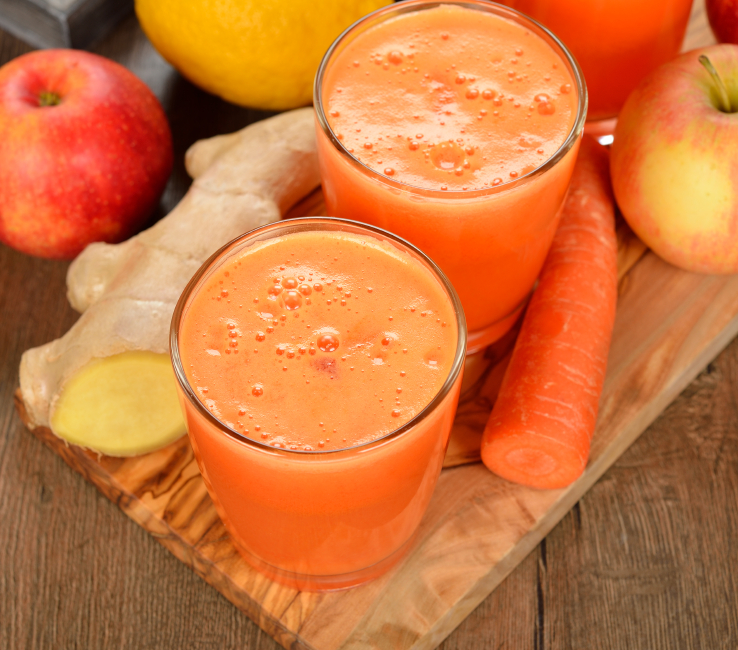
Carrot, Apple, Ginger, and Chia Seed Smoothie
Carrot, Apple, Ginger, and Chia Seed Smoothie
- 2 medium carrots, chopped
- 1 medium apple, chopped
- 1 tablespoon fresh grated ginger
- I tablespoon chia seeds, soaked in a small amount of filtered water for 10-15 minutes
- 8 ounces of filtered water
- Blend in a Nutribullet
This smoothie has many health promoting ingredients:
- Carrots provide an excellent source of the antioxidant beta-carotene. They also supply vitamin C, K & E, calcium, fiber, and magnesium.
- Apples contain vitamin C & B-complex, calcium, phosphorus, potassium, and fiber.
- Ginger root has a calming effect and aids in digestion
- Chia seeds are a great plant based protein and omega 3 fatty acid source
REJUVINATE WINTER SKIN
Cold and dry weather can often irritate the skin. To help, I would like to share two of my favorite vegetarian skincare products: Frankincense Intense and Beauty Sleep Body Butter by Neal’s Yard Remedies. I notice a difference in my skin instantly when I apply these moisturizers daily. The frankincense essential oil in the Frankincense Intense facial moisturizer encourages healthy growth of skin cells and has wound healing properties. It is great for the treatment of wrinkles, eczema, acne, stretch marks, and inflamed skin.
Learn More about Frankincense Intense
Beauty Sleep Body Butter contains Shea butter and Aloe vera to soothe dry skin. It also contains the essential oil clary sage which is calming and anti-inflammatory and the essential oil ylang ylang which rejuvenates and balances the skin. The aromatherapy essential oil blend in Beauty Sleep Body Butter has an overall calming effect on the nervous system by reducing headaches and stress and by acting as an anti-depressant. The essential oils are also useful for hormonal balance.
Learn more about Beauty Sleep Body Butter at my NYR Store
TOP 5 KEYS TO HEALTH & WEIGHT LOSS ON A WHOLE FOOD PLANT BASED DIET
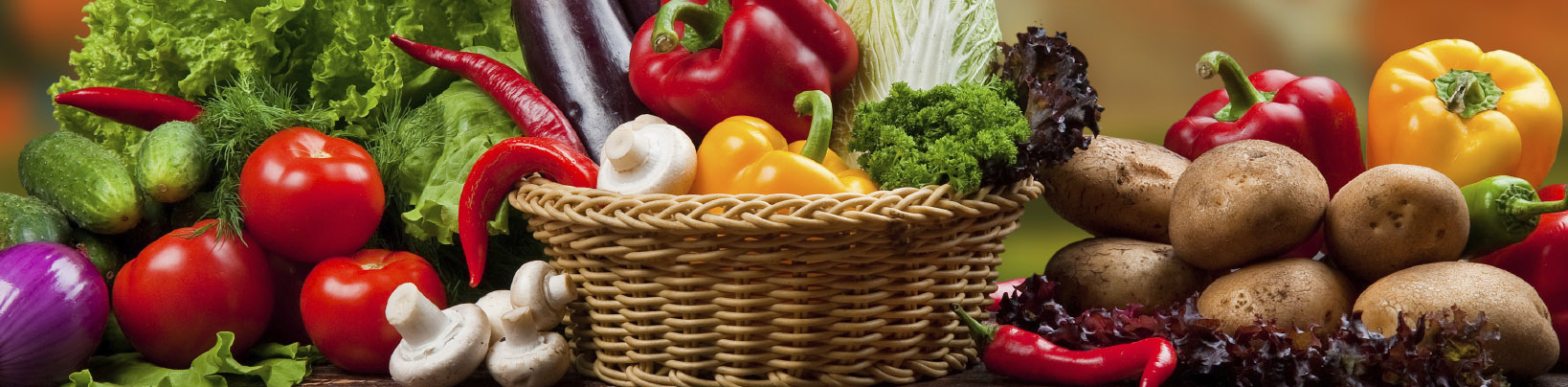
Many people are gravitating towards a plant based diet for a number of reasons including weight loss, compassion for animals, and the environment. If you are thinking about trying a plant based diet, especially for health reasons, here are a few tips:
1. Limit Fat intake. Avoid oils when cooking or in foods. Oils add a considerable amount of fat. Read labels thoroughly to make sure there is little to no added oils. Limit consumption of avocados, nuts, and seeds. Use these foods sparingly because they do contain quite a bit of fat.
2. Keep Protein intake at 8-10% of total calories. According to the American College of Sports Medicine, humans are incapable of using protein for tissue building purposes above the level of approximately 1.5 g of protein per kilogram of body weight. Excess protein greater than this amount is either burned as energy or stored as fat. Both of these options are undesirable because we do not want to gain fat and getting rid of nitrogenous waste from excess protein can cause dehydration.
3. Chose high fiber foods (ex. beans, vegetables, fruits, and whole grains). Foods high in fiber will provide satiety and help maintain a steady blood sugar.
4. Avoid processed foods and fake processed soy products (isolated soy protein). If you are considering soy products, choose tempeh, edamame, miso, and tofu.
5. Avoid foods with a high glycemic index (ex. white bread, bagels, and large baking potatoes). These foods will raise your blood sugar.
PLANT POWER PROTEIN & CARBOHYDRATES
I have received several questions on the protein and carbohydrate content of plant foods recently. The truth is, you will get all the protein you need on a whole food plant based diet and you will not gain weight, even though it is a high carbohydrate diet.
Firstly, protein is an essential macronutrient that is a chain of amino acids which contain nitrogen. Protein quality is determined by the presence or absence of essential amino acids. Essential amino acids must be taken in as food, while non-essential amino acids can be manufactured by the body. Although plant proteins are considered “incomplete” because they are deficient in certain amino acids, all the essential amino acids are present in a variety of plant foods. Therefore, all you need to do is vary the plant protein sources you consume each day. There is no need for specific food combining. You will easily meet the RDA requirement for protein of 8-10% of total calories per day.
As far as high carbohydrates and weight loss are concerned, according to the American College of Sports Medicine “fat burns in a carbohydrate flame.” There is nothing in the scientific literature that suggests that lowering carbohydrate intake improves exercise performance or weight loss. In fact, high animal protein diets have been associated with kidney problems and kidney stones.
For more on this topic read my paper: “The Nutrient Quality of Whole Plant Foods.”
For more information on Plant Protein read Dr. T. Colin Campbell’s recent article in Vegan Health and Fitness Magazine: http://nutritionstudies.org/protein-juggernaut-deep-roots/
Visit our Food Blog for Plant Power Pictures & Recipe Ideas.