Alexa Lane - Christian Arts and Wellness
Content Creator
Fitness
My recommendations on fitness are drawn from my training and experience as a professional dancer and clinical background in exercise science.
Elements of an Effective Exercise Program
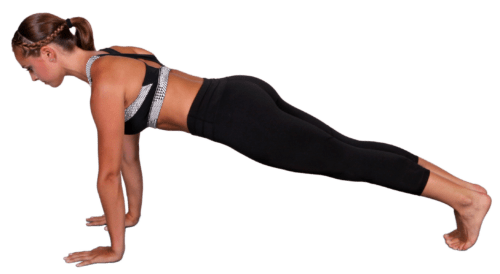
Alignment
Proper alignment is crucial for safe and effective fitness training.
Muscle Strengthening and Endurance
Muscular strength refers to the ability of a muscle or muscle group to exercise force. Muscular endurance refers to the ability of a muscle or muscle group to continue to exercise without fatiguing. The benefits of muscular strength and endurance training include increases in strength, muscle mass, and bone density.
To strengthen a muscle, you need to apply a certain amount of “overload.” The key is to avoid too much overload and muscle strain. Therefore, add resistance to overload the muscle slowly, over time.
A slow and steady approach to strengthening will sculpt your muscles, tone your body, improve your posture, and build lean muscle tissue.
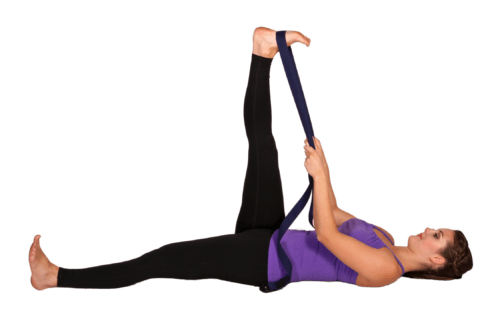
Flexibility Training
Flexibility is the ability of a joint to move through a full, pain free range of motion. The benefits of flexibility training include an increase in range of motion and the ability to better perform activities of daily living.
Types of Stretching
- Static: Static stretching refers to gently going into the stretch until you feel mild intensity and holding it for 10-30 seconds.
- Dynamic: Dynamic stretching involves rhythmic movements through a full range of motion while maintaining control and alignment.
- Passive: Passive stretching involves either using another body part, such as your arms, or a strap to stretch the desired body part. Passive stretching can also be performed with the assistance of a trainer.
- Proprioceptive Neuromuscular Facilitation (PNF): PNF is also known as Contract-Relax Stretching. Performing this stretch requires professional assistance.
Begin by passively stretching the clients target muscle. Next, have the client isometrically contract the muscle against resistance you create. Complete the stretch by having the client relax the isometric contraction as you passively stretch the target muscle.
It is important to understand that certain factors limit range of motion about a joint. Those factors include, age, gender, shape of the bones, ligament complex and joint capsule, muscles, fascia, tendons, and the skin.
Here are a few guidelines to help you safely improve flexibility:
- Warm up the body to increase core temperature before stretching.
- Perform each stretch in proper alignment.
- Work within average ranges of motion.
- Stay within a pain free active range of motion.
Neuromotor Training
Neuromotor training, sometimes called “functional fitness,” refers to the relationship between the nervous system and movement. The benefits of neuromotor training include the development of motor skills such as coordination, gait, agility, proprioception, and balance. Exercises that build these skills become increasingly important as we age.
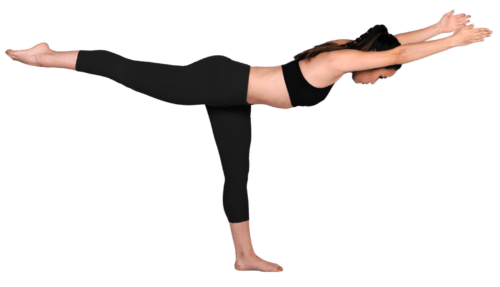
As you work on correcting your postural alignment, improving your balance, and moving more efficiently through space, you will slowly release postural misalignments. These misalignments may have caused pain, distress or unwanted compensatory movements.
Cardiorespiratory Training
Cardiorespiratory fitness refers to the ability to perform large muscle, dynamic, moderate to vigorous intensity exercise for a sustained period of time. Exercising at this level is dependent upon the integration of the respiratory, cardiovascular, and musculoskeletal systems combined with the physiologic and functional state of these systems. The idea is to increase the heart rate and respiration in order to challenge the cardiorespiratory system, thereby strengthening it. There are many benefits to training your cardiorespiratory system including decreased anxiety and depression, reduced resting systolic/diastolic pressures, reduced total body fat, and increased maximal oxygen uptake.
Self- Awareness
Self-awareness and mindfulness will help you achieve results and avoid injury. Additionally, when you are fully present and engaged, you will create new neural patterns that lead to positive mental states.
The American College of Sports Medicine (ACSM) recommends that healthy adults follow the exercise guidelines below:
- Cardiorespiratory Training:All healthy adults aged 18–65 years old should participate in moderate intensity aerobic physical activity for a minimum of 30 minutes on five days per week, or vigorous intensity aerobic activity for a minimum of 20 minutes on three days per week.
- Resistance Training: Healthy Adults should perform resistance training for all major muscle groups for a minimum of two days per week.
- Flexibility Training: Stretch major muscle groups 2–3 days per week.